
Program Overview
In many ways, the American criminal legal system is not designed to correct its own errors. We can never know exactly how many innocent people remain in prison, but some experts estimate that it is between 2 and 5% of the current prison population, meaning anywhere between 46,000 and 230,000 people (National Registry of Exonerations, 2019).
Wrongful convictions thus remain one of the most devastating consequences of America’s system of punishment, but pathways to justice for innocent people and their families are often steep and uncertain. Making an Exoneree (MAE) seeks to teach undergraduate students about this reality and directly engage them in efforts to remedy it.
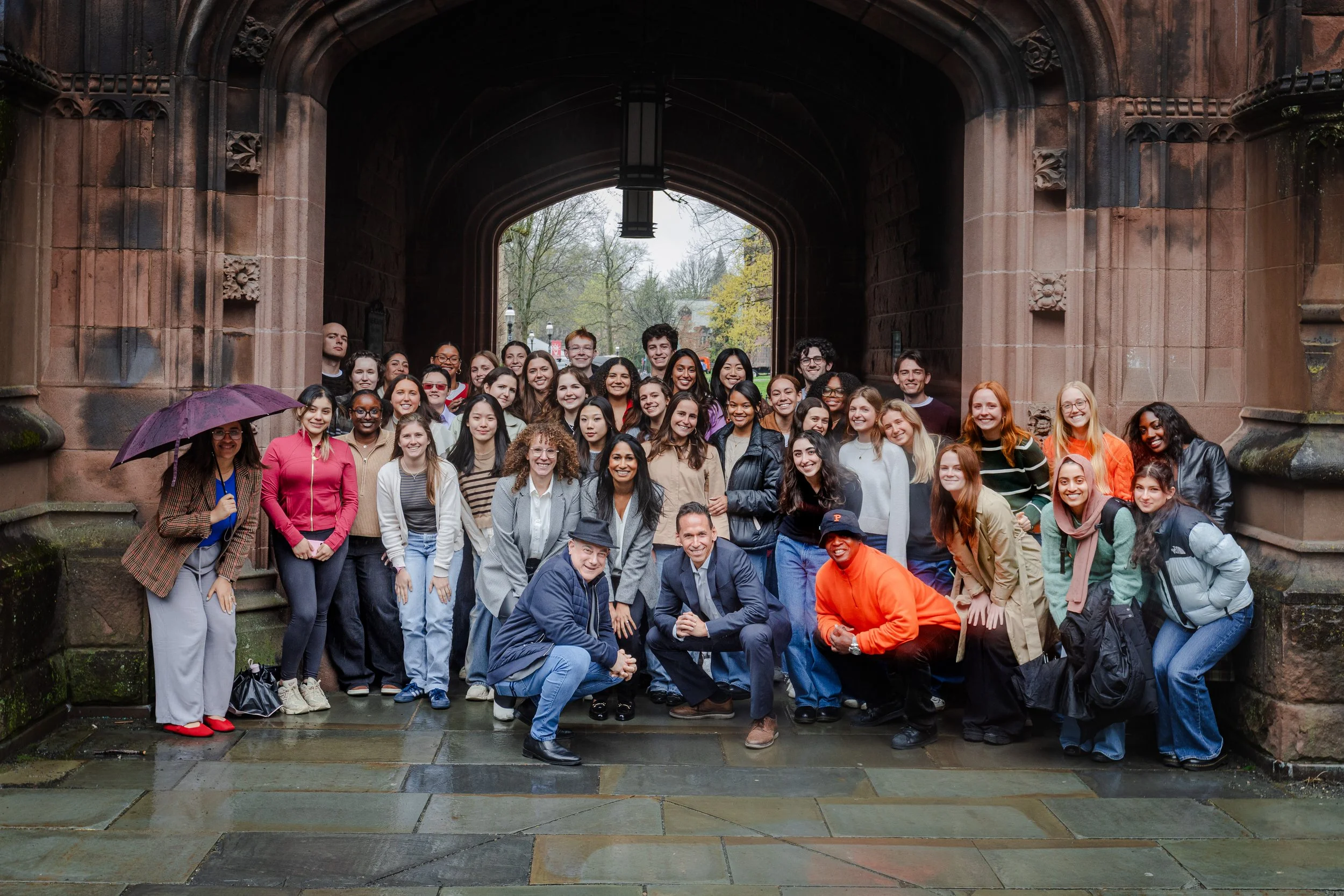
Through the program, passionate and highly motivated undergraduate students at universities nationwide spend an intensive semester reinvestigating potential wrongful conviction cases carefully reviewed and selected by MAE staff. Students ultimately create short public documentaries that tell the stories of incarcerated individuals, highlight evidence of potential wrongful convictions, and raise public awareness of their cases.
Unlike traditional law school clinics, which primarily provide legal services and often focus on cases involving DNA evidence, Making an Exoneree concentrates on complex wrongful conviction cases that require reinvestigation, storytelling, and public advocacy. Students are empowered to travel to the crime scene, visit the incarcerated person in prison, and produce short documentaries, websites, and social media campaigns advocating for exoneration (and for parole, clemency, resentencing, or other release, if appropriate). The undergraduate program also works closely with a companion course at Georgetown Law, through which law students provide critical legal research and case support to undergraduate teams across participating universities while also assisting counsel and exploring potential legal avenues for the incarcerated individuals.
Beyond its direct advocacy efforts, Making an Exoneree is fundamentally an educational experience that encourages students to confront difficult questions about justice, challenge their own assumptions, and reflect on their responsibilities to others. Through close collaboration with their peers and meaningful engagement with individuals whose lived experiences may differ from their own, students develop empathy, perseverance, and a deeper understanding of their capacity to effect change within the criminal legal system and their broader communities. Ultimately, Making an Exoneree seeks not only to contribute to justice for wrongfully convicted individuals, but also to educate the next generation of thoughtful, compassionate, and socially responsible leaders.
The program originated in 2018 at Georgetown University, where it has been taught every Spring semester since by Marc Howard and his childhood friend Marty Tankleff, who was himself wrongfully convicted and incarcerated for almost 18 years before being exonerated. In 2023, an expansion of the program piloted at Princeton University, and the law companion course was created at Georgetown Law. In 2025, the program further expanded to New York University and the University of California, Santa Cruz, to Rice University in 2026, and now Amherst College in 2027.
Today, across six undergraduate universities and Georgetown Law, Making an Exoneree has investigated 83 cases and contributed to the release of 14 innocent individuals nationwide, who served over 300 years in prison for crimes they did not commit. Many others are also now represented by counsel and/or receiving significant media attention.
